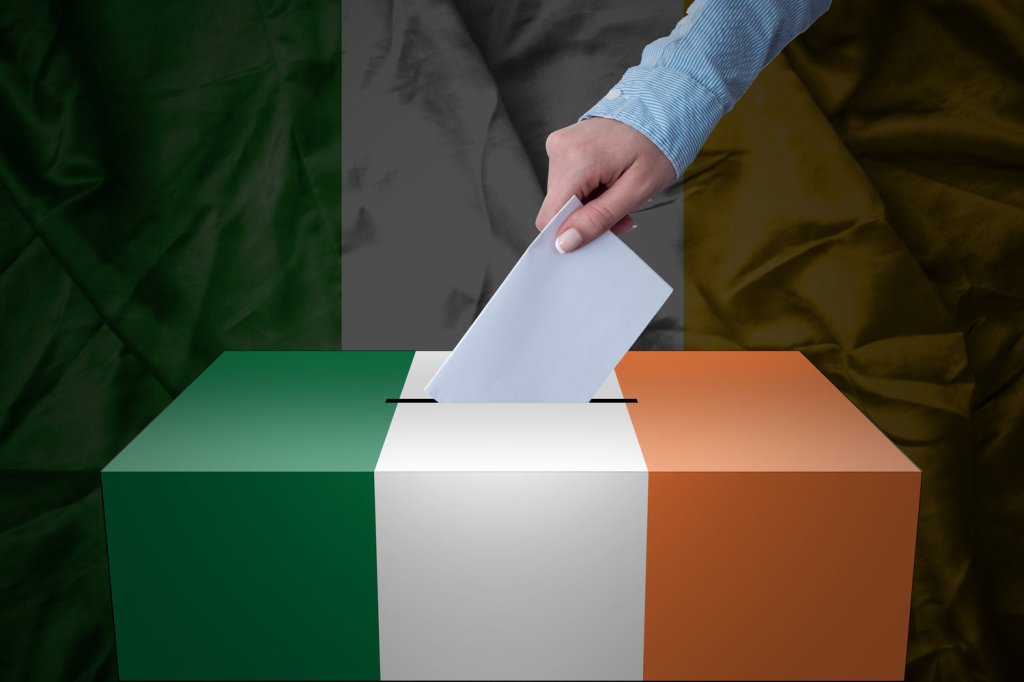
The Irish electoral system, using Single Transferable Vote (STV), ensures fair, inclusive, and representative elections by reflecting voters’ preferences.
Ireland’s electoral system stands as a compelling example of how voting can be more inclusive, representative, and reflective of the electorate’s will. Unlike the outdated voting systems in countries like the UK, the US, or in other parts of Europe, Ireland employs the Single Transferable Vote (STV) system, which empowers voters to rank candidates by preference and ensures that every vote matters.
How Ireland’s Electoral System Works
In Ireland, voters don’t simply mark an “X” beside their preferred candidate, as is common in the US and UK. Instead, they rank the candidates numerically—1 for their top choice, 2 for their second, and so on. This ranking mechanism ensures that even if a voter’s first choice doesn’t secure enough support to win, their vote is transferred to their next preference. This process continues until a candidate reaches the required threshold to win.
This method guarantees that elections are more representative. Rather than simply electing the candidate with the most votes in a winner-takes-all system, Ireland’s STV allows for a redistribution of preferences, which better reflects the overall will of the people.
A Success Story in Action
The 1990 Irish presidential election offers a striking example of STV in action. The initial results showed that Brian Lenihan, a seasoned politician, led with 44% of the vote, followed by Mary Robinson, a human rights lawyer, with 39%. In a first-past-the-post system, Lenihan would have won outright.
However, under Ireland’s system, the third candidate, Austin Curry, was eliminated, and his supporters’ second-choice votes were redistributed. The majority of these votes went to Robinson, who surpassed Lenihan to become Ireland’s first female president.
This result not only reflected the broader electorate’s preferences but also marked a transformative moment in Irish politics, leading to 21 years of uninterrupted female presidencies.
The Benefits of STV
Ireland’s STV system offers several distinct advantages. First, it ensures that nearly every vote contributes to the final outcome.
In the UK, for instance, only about 32% of votes in the 2015 general election actually elected representatives, leaving many voters effectively unrepresented. In Ireland, about 80% of votes influence the election outcome.
Second, STV encourages collaboration between political parties. For instance, on critical issues like climate change, Irish parties often work together to attract second- and third-preference votes from supporters of other groups. This fosters a more cooperative political environment compared to the divisive, winner-takes-all systems in the UK and US.
Finally, the Irish system provides voters with greater choice. Ireland’s multi-party system includes parties across the ideological spectrum, from center-right to radical left, allowing voters to select candidates who genuinely reflect their values. By contrast, the US’s two-party system forces a binary choice that often fails to represent the diversity of its population.
A Model for the Future
The Irish electoral system demonstrates that voting can be both efficient and representative. By allowing voters to express their preferences and ensuring that these preferences are reflected in election outcomes, Ireland’s STV offers a blueprint for democratic systems worldwide. It’s time for other nations to take note and modernize their electoral frameworks to better serve their citizens.



 ElectionOdds.ca