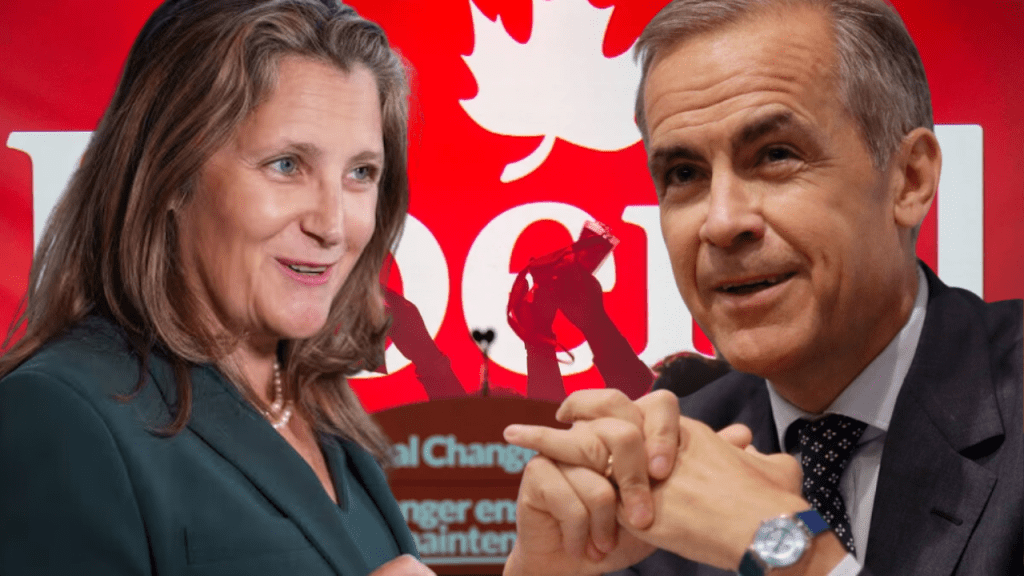
Next Liberal Party leader speculation intensifies as updates on Trudeau’s expected resignation emerge, with Mark Carney leading recent polls as the top contender.
The Liberal Party of Canada finds itself at a crossroads as speculation grows over Justin Trudeau’s anticipated resignation. A recent Nanos Research poll highlights Mark Carney, former Governor of the Bank of Canada, as the leading contender for the party’s leadership, with 18% support.
Carney’s closest competitors, Prime Minister Justin Trudeau and Deputy Prime Minister Chrystia Freeland, each hold 11% support, reflecting waning confidence in Trudeau’s leadership. Meanwhile, dissatisfaction runs deep, with 25% of Canadians indicating that none of the current candidates appeal to them, signaling broader discontent with the party’s direction.
Trudeau Under Increasing Pressure
Reports suggest Trudeau may announce his resignation as early as January 6, 2025. This comes amid internal party pressure and external challenges, including Freeland’s earlier resignation as Finance Minister and the Liberal Party’s declining poll numbers.
Although Trudeau has insisted he plans to lead the party into the next election, many within the party are quietly exploring potential successors.
Names like Dominic LeBlanc, a long-serving cabinet minister, are being floated as possible candidates, adding to the growing speculation.
Emerging Political Factions
The leadership race highlights ideological divisions within the party. Progressive and centrist factions are vying for influence, each presenting a different vision for the future of the Liberals.
Progressive Candidates
Former British Columbia Premier Christy Clark has expressed interest in shaping the Liberal Party’s direction. While she hasn’t declared her candidacy, her openness to federal politics has sparked speculation.
Andrew Bevan, the new Liberal Campaign Director, is another potential progressive contender. With a strong background in left-leaning politics, Bevan could energize the party’s base if it opts for a progressive platform.
Centrist and Conservative Influence
On the other hand, Chrystia Freeland appears to be positioning herself as a fiscally conservative alternative. By focusing on economic prudence, she could appeal to centrist voters and challenge the Conservative Party’s economic messaging under Pierre Poilievre.
The Liberals may feel compelled to select a leader capable of blending fiscal conservatism with Liberal values to reclaim the political center.
Current Liberal Leadership Odds
The table below reflects the latest odds for the next Liberal Party leader based on Nanos Research polling:
| Candidate | Support (%) | Adjusted Odds |
|---|---|---|
| Mark Carney | 18% | -105 |
| Chrystia Freeland | 11% | +355 |
| Dominic LeBlanc | Speculated | +505 |
| Christy Clark | Potential | +505 |
| Andrew Bevan | Potential | +505 |
Carney holds the frontrunner status with odds of -105 (51.2% chance), while Freeland, LeBlanc, Clark, and Bevan trail behind.
Uncertain Future for the Liberal Party
Despite Carney’s lead, the Liberal Party faces significant challenges. Public dissatisfaction and internal divisions highlight the precarious nature of the party’s leadership transition. Whether the next leader emerges from established names like Carney and Freeland or unexpected contenders, the stakes are high.
The coming months will be critical as the Liberal Party seeks to rebuild its image and position itself for a competitive federal election. With the Conservatives dominating polls, the Liberals must rally around a leader capable of uniting the party and restoring public trust.


 ElectionOdds.ca