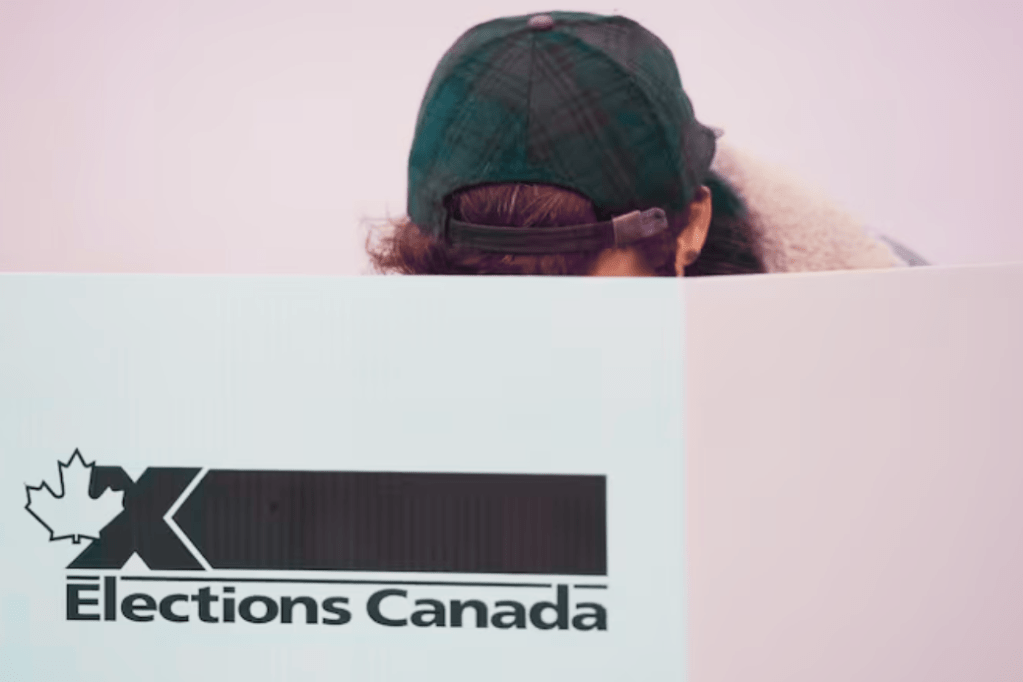
Strategic voting in Canada is often promoted as a solution during elections, but without party cooperation or electoral reform, it rarely delivers meaningful results.
As Canada’s political landscape continues to polarize, conversations around strategic voting intensify—particularly in Ontario among those who have been hoping to unseat the Progressive Conservatives. But beneath the calls for “voting smarter” lies a systemic issue that many critics argue renders such strategies ineffective under the current electoral framework: the first-past-the-post (FPTP) system.
FPTP awards victory to the candidate with the most votes in a riding, regardless of whether they secure a majority. This can result in situations where a candidate wins despite most voters opposing them—simply because the opposition vote is split across multiple parties. In tightly contested ridings, this dynamic can decisively tip the scales. As many observers have noted, this system does not reward broad consensus but rather strategic placement and a divided opposition.
The growing frustration among voters is not just with electoral outcomes, but with the burden they are expected to carry. Strategic voting—often touted as a tactical workaround—asks individuals to suppress their genuine political preferences in favour of calculated decisions aimed at defeating a less desirable candidate. Yet, without a broader coordination effort among parties, this tactic often fails to deliver.
Critics argue that strategic voting, in practice, becomes little more than a well-meaning slogan. Without deliberate cooperation between opposition parties, particularly in ridings where one party has a clear advantage over others, anti-incumbent votes are spread thin. This lack of coordination can ultimately consolidate power for the leading party—in this case, the PCs—despite widespread opposition.
Calls for formal pre-election cooperation among the Ontario NDP Liberals, and Greens, among other surrogate progressive parties have grown louder in recent years. Advocates propose a temporary alliance where parties agree not to run competing candidates in ridings they are unlikely to win. Instead, they would back a single candidate with the strongest chance of unseating the incumbent. Such a strategy, they argue, could produce a more representative outcome and pave the way for longer-term reform.
Electoral reform, specifically the transition to a proportional representation system, is frequently cited as a more sustainable solution. Under proportional systems, votes translate more directly into seats, reducing the incentives for vote-splitting and strategic calculations. Proponents of reform contend that only through systemic change can Canadian democracy better reflect the electorate’s actual preferences.
Ontario has seen past efforts at electoral reform, including a 2007 referendum that proposed a mixed-member proportional system, which was ultimately defeated. However, in the wake of recent elections where majority governments were formed with well under 50% of the popular vote, calls for reform have re-emerged with renewed urgency.
While the debate around strategic voting is likely to continue, one thing is clear: without structural changes to the way votes are translated into power, the challenges facing opposition parties—and voters—are unlikely to disappear. Until electoral reform is seriously pursued, critics say voters will continue to be asked to fix a system that sets them up to fail.



 ElectionOdds.ca
Leave a comment